RRW NZ Artist

Audio and Visual Artist

Category: automotive

All things cars


  • NISMO—short for **Nissan Motorsport**—brings Nissan’s motorsport heritage to performance cars and parts. Its approach is about more than straight-line speed: the recipe includes purposeful aerodynamics, handling, braking, and race-inspired design. NISMO was founded in 1984 as Nissan’s motorsports and performance division. <citation src=”1,2″></citation>

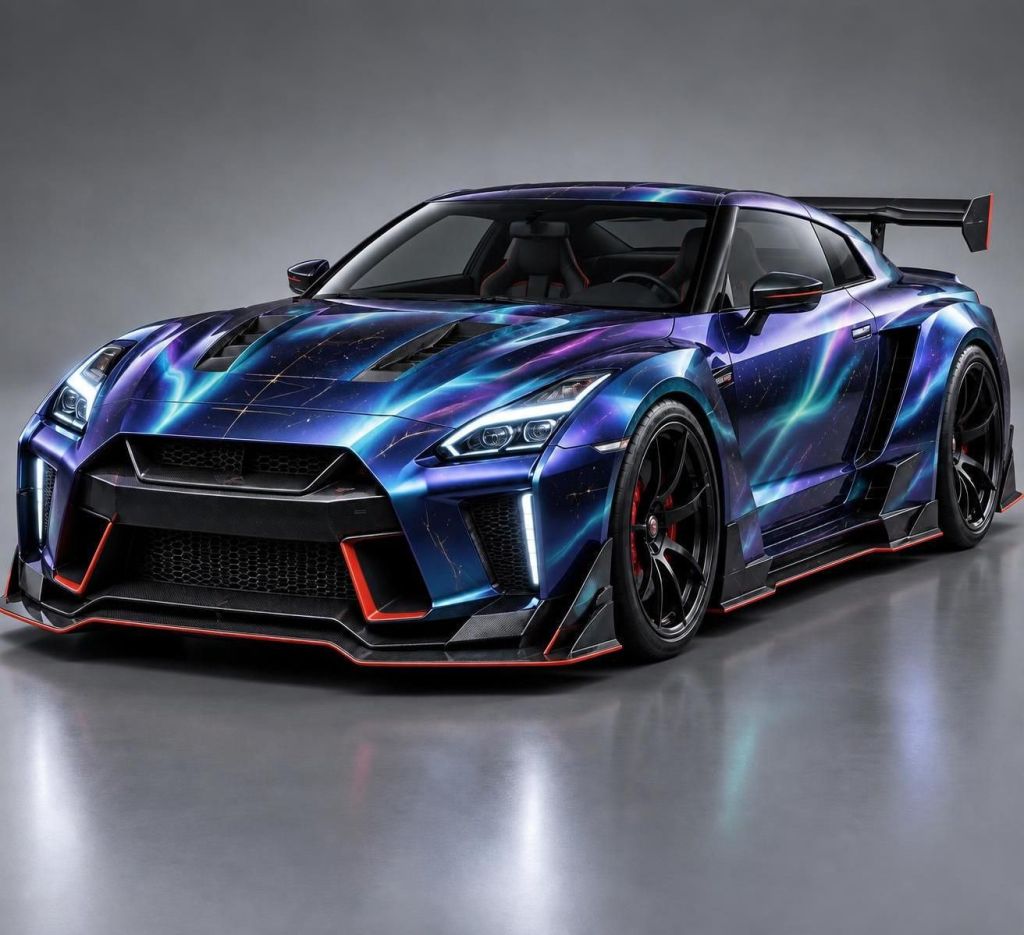
    This imagined NISMO concept takes that spirit and sends it into the future. Its wide, sculpted body, bold aero details, and iridescent midnight-indigo paint—shifting through teal and violet, with electric-coral accents—make it look ready for a night run beneath the stars. The details below are **concept specifications created for this design**, not published specs for a production Nissan.

    ## Concept spec sheet

    – **Concept:** Nissan NISMO Space-Age
    – **Body style:** Two-door performance coupe
    – **Design theme:** Futuristic widebody with motorsport-inspired aerodynamics
    – **Paint:** Midnight-indigo pearlescent finish with teal-to-violet color shift
    – **Accent colors:** Electric coral and luminous aurora-inspired pinstripes
    – **Front:** Deep splitter, sculpted bumper, and sharp LED lighting
    – **Sides:** Flared fenders, aerodynamic side skirts, and large performance wheels
    – **Rear:** Prominent diffuser and a dramatic, track-inspired stance
    – **Powertrain:** Unspecified concept
    – **Performance figures:** Not specified
    – **Status:** Styling concept—not a confirmed production model

    The result is a NISMO with a cosmic twist: dramatic enough to turn heads in a studio, yet rooted in the performance-first character that defines the badge.
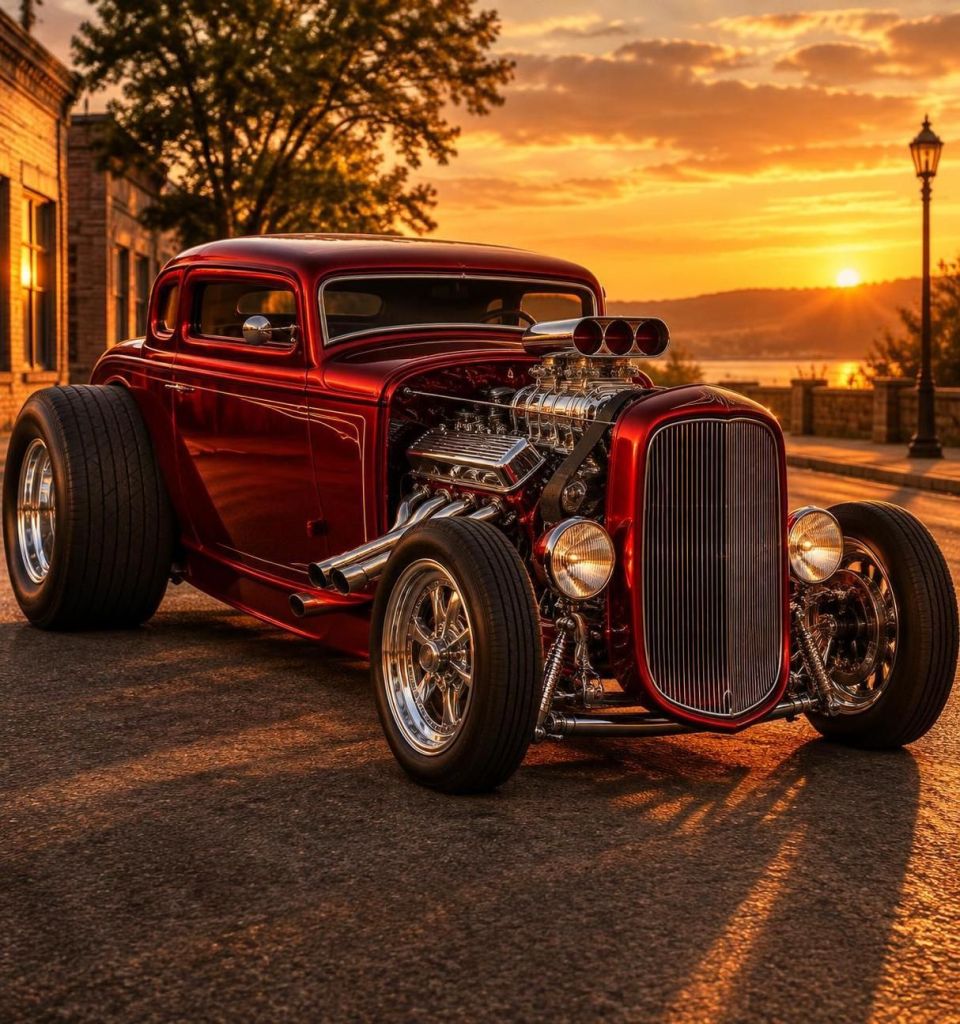
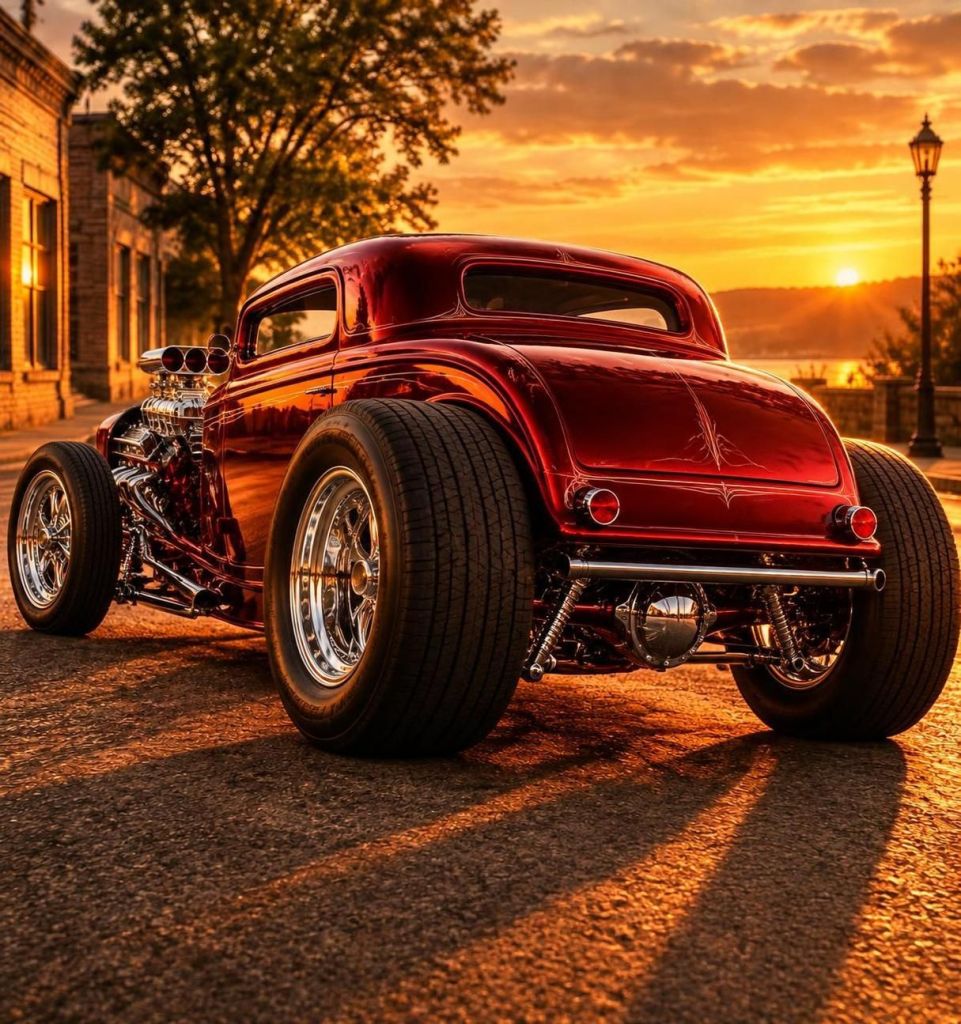
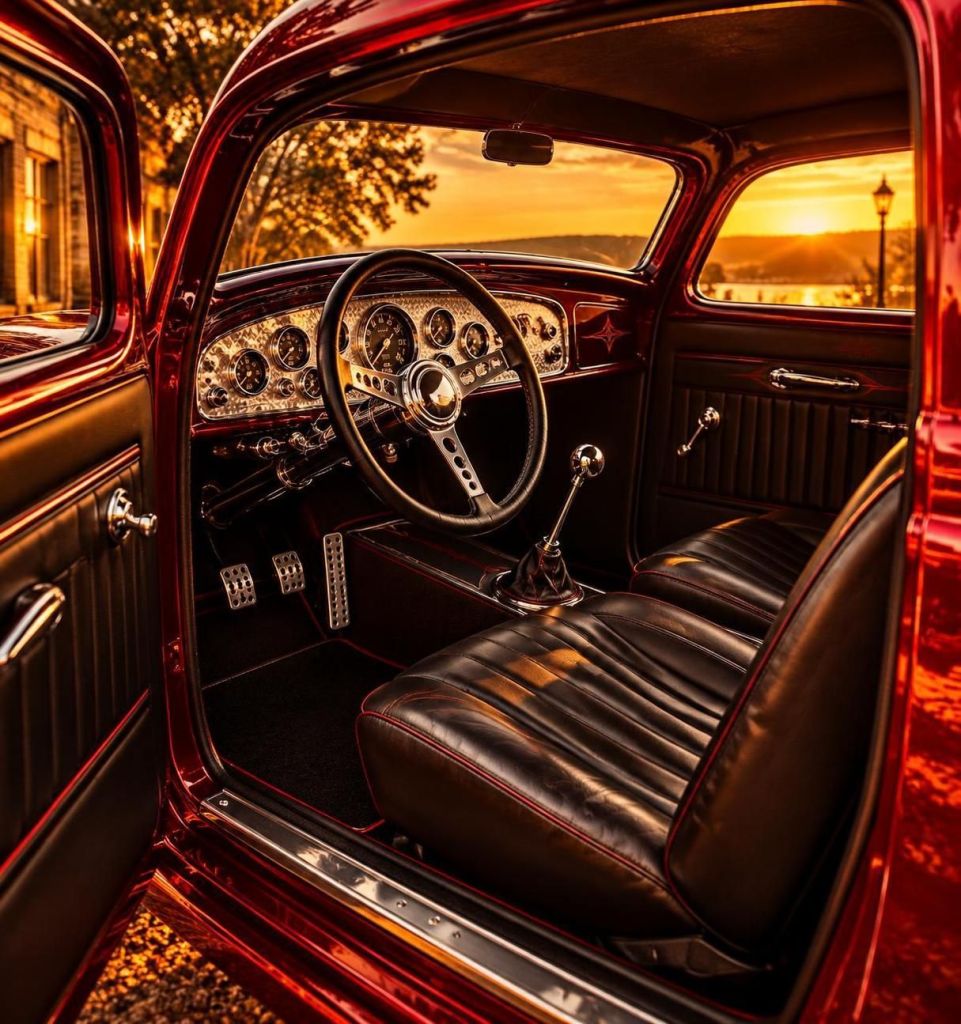
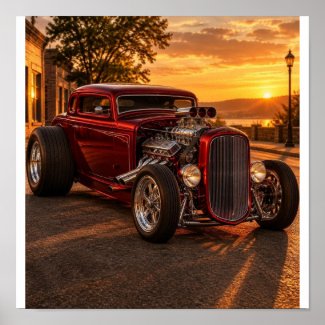
  • Built low and loud, the **Cherry Bomb** pairs a chopped 1930s coupe body with deep cherry-red paint, hand-laid pinstriping, and polished chrome. Under the hood, an imagined supercharged V8 sends power to wide rear tires, while a lowered stance and vintage-inspired suspension keep it planted. Inside, black leather bucket seats, a slim steering wheel, polished metal trim, and round analog gauges give the cabin a purposeful, old-school feel. It’s a hot rod made for turning heads—and making every drive feel like an occasion.

    *These are imagined specs for the custom design, not details of a real build.*

    And now the poster link:

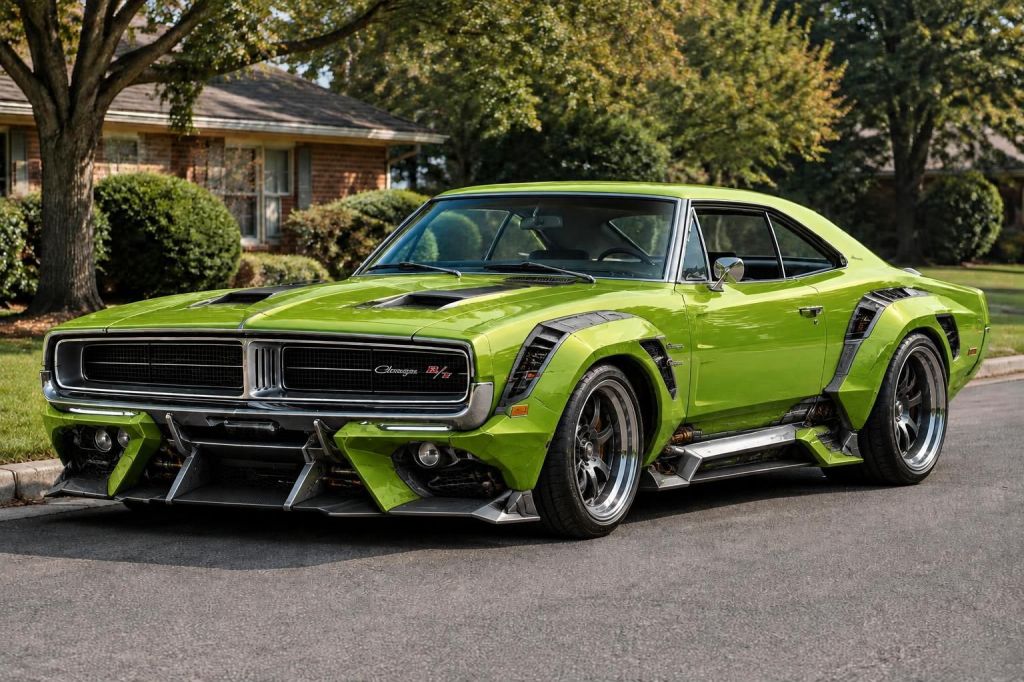
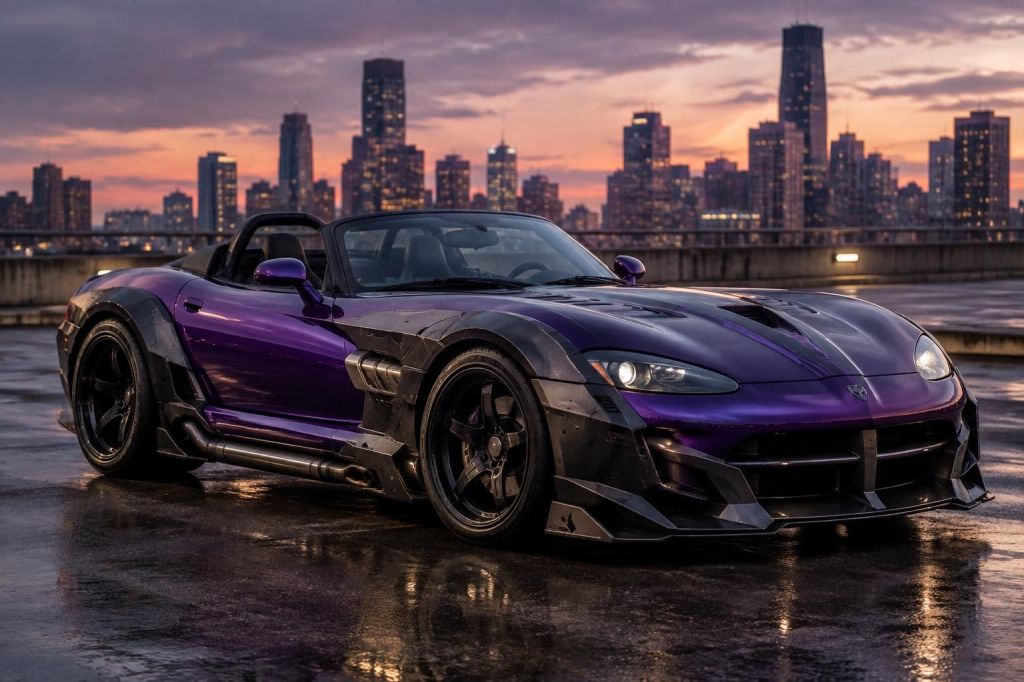
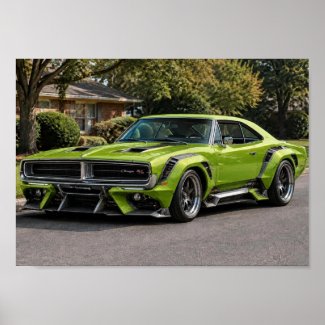
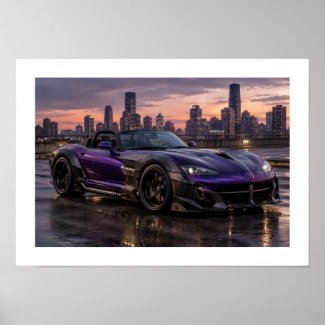
  • That lime-green Charger looks like it rolled straight out of a sci-fi garage—and that purple-and-black Viper? Absolute tire-smokin’ cyber-beast. I’d take either for a cruise, but I’d definitely let the Viper do the talking!

    And now for the posters!

  • Would you rather work from an office or remotely?

    ## Holden Monaro custom build

    ### Introduction

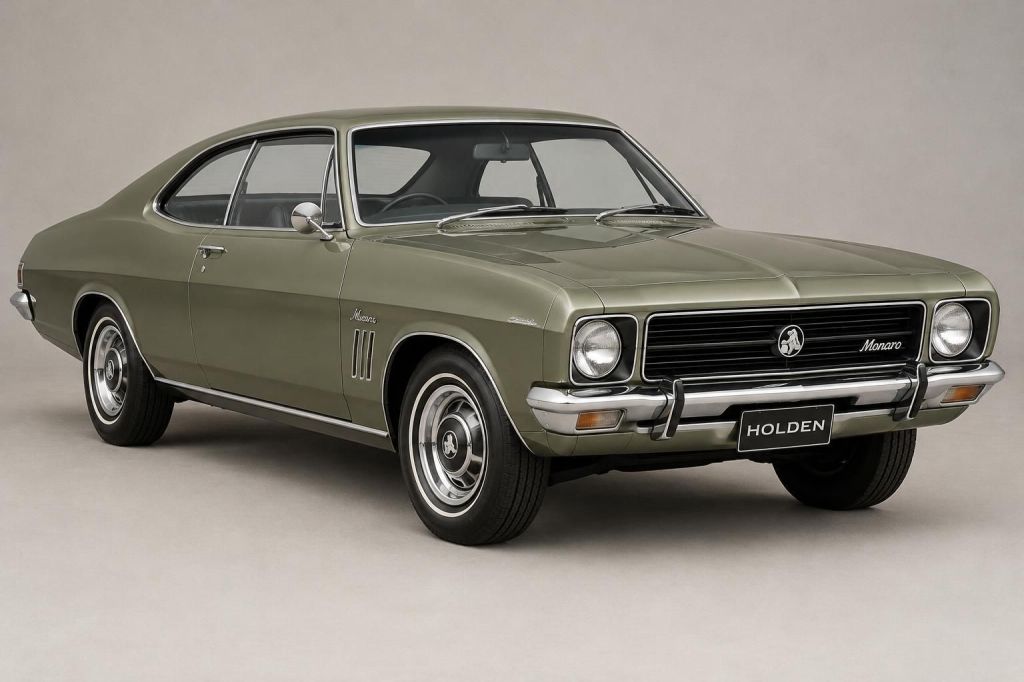
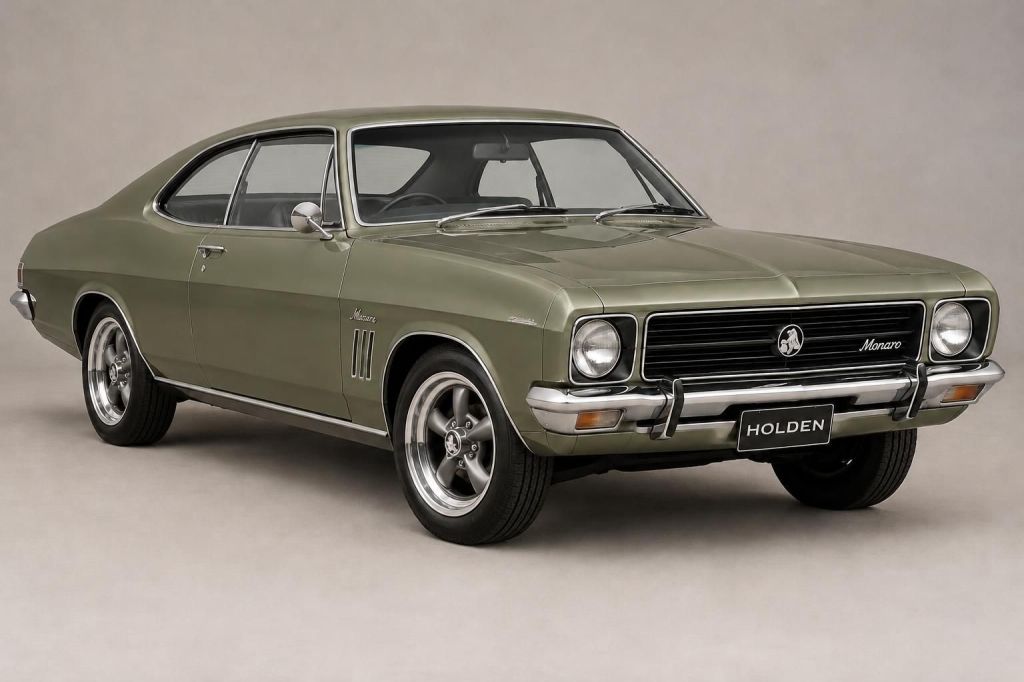
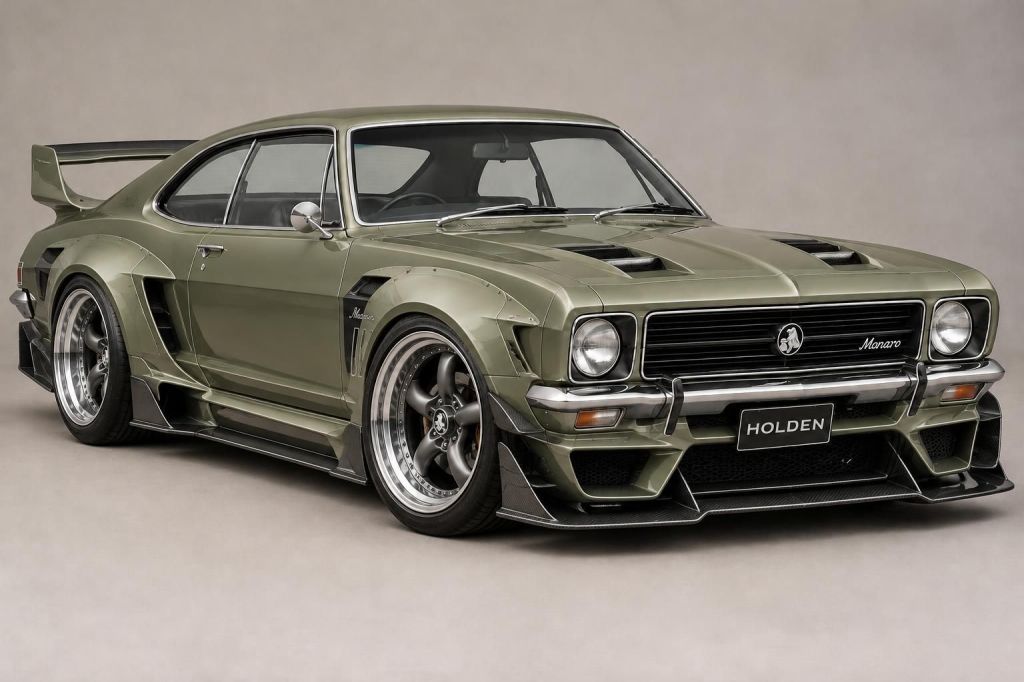
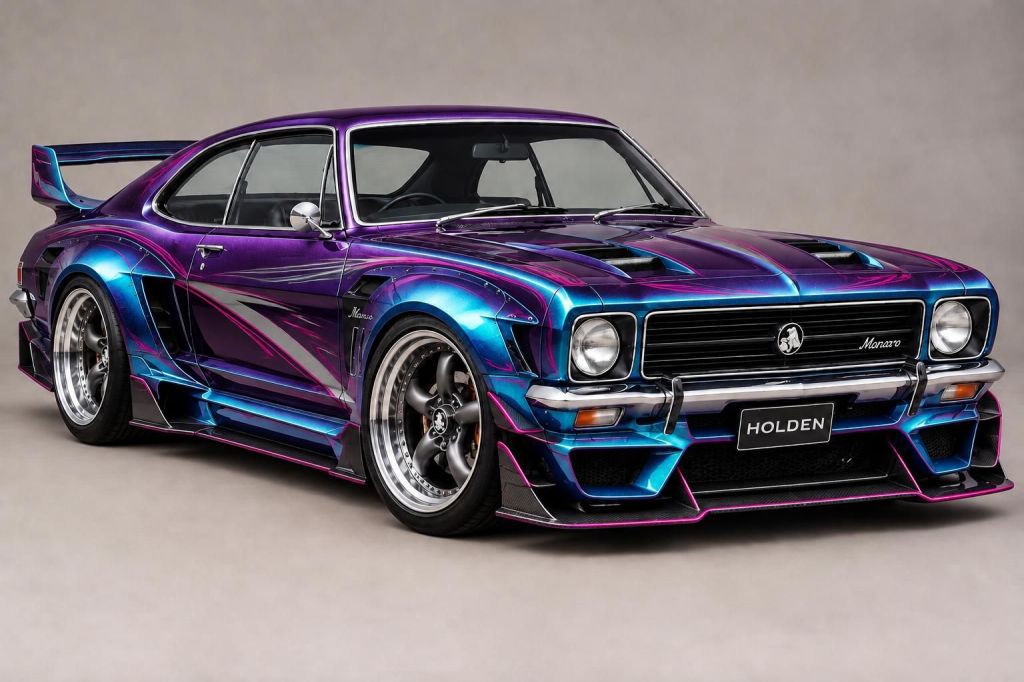
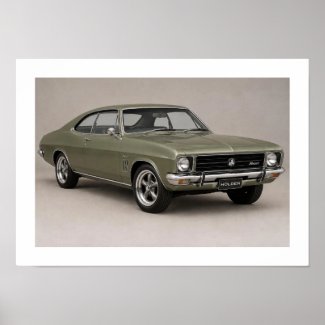
    The Holden Monaro is an Australian two-door coupe made by Holden. It became known for its long bonnet, roomy cabin and rear-wheel-drive layout. The car pictured is inspired by the 1970s HQ-era Monaro, but it’s been reimagined as a modern show car: classic Monaro shape, bold widebody kit, aftermarket mag wheels and a dramatic color-shifting paint finish.

    Think of it as a **custom concept**, not a factory-original Monaro. The image doesn’t establish the exact year, model grade, engine or mechanical parts, so those details can’t be confirmed from the picture alone.

    ### Spec sheet

    – **Make/model:** Holden Monaro-inspired custom coupe
    – **Era and styling:** 1970s, with HQ-generation cues
    – **Body:** Two-door coupe
    – **Layout:** Front engine, rear-wheel drive—the classic Monaro configuration
    – **Bodywork:** Modern widebody kit with flared guards, sculpted side skirts, front splitter, vented bonnet, rear diffuser and large wing
    – **Wheels:** Aftermarket alloy “mags,” fitted to suit the wider stance
    – **Paint:** Custom glossy, iridescent purple-to-teal/blue finish with metallic flake and graphic accents
    – **Engine, gearbox, power and performance:** Not specified; the image doesn’t show or verify these

    For context, the HQ Monaro was produced from 1971 to 1974. Its range included six-cylinder and V8 options; the GTS versions were V8-powered, with larger-engine options available. Exact factory specifications depend on the particular model and engine. <citation src=”1,4″></citation>

    **In plain English:** it’s a classic Australian muscle coupe dressed up as an imaginative modern show car—not a stock car, and not a claim about any particular real vehicle’s mechanical specification.